About This Race
The Oman by UTMB 32K brings runners into the Hajar Mountains, where ancient trade routes wind through a landscape of jagged peaks, traditional villages, and terraced agriculture. Part of the UTMB World Series, this race offers technical mountain running in one of the Arabian Peninsula's most dramatic settings. The course follows centuries-old pathways that once connected mountain communities, passing through villages where stone architecture and falaj irrigation systems remain largely unchanged. Nizwa serves as the cultural heart of the event, a city known for its historic fort and position as a former capital of Oman. The region's winter climate makes it possible to run at elevations and in terrain that would be inhospitable during summer months. Runners encounter a mix of rocky trails, exposed ridgelines, and passages through date palm plantations at lower elevations. The 32K distance fits between the shorter mountain race options and the ultra distances in the Oman by UTMB series. It requires solid trail running fitness and comfort with technical terrain, but remains accessible to runners not yet ready to commit to ultra-distance events. The course provides a genuine introduction to mountain running in the Middle East without requiring extensive ultra-specific training.
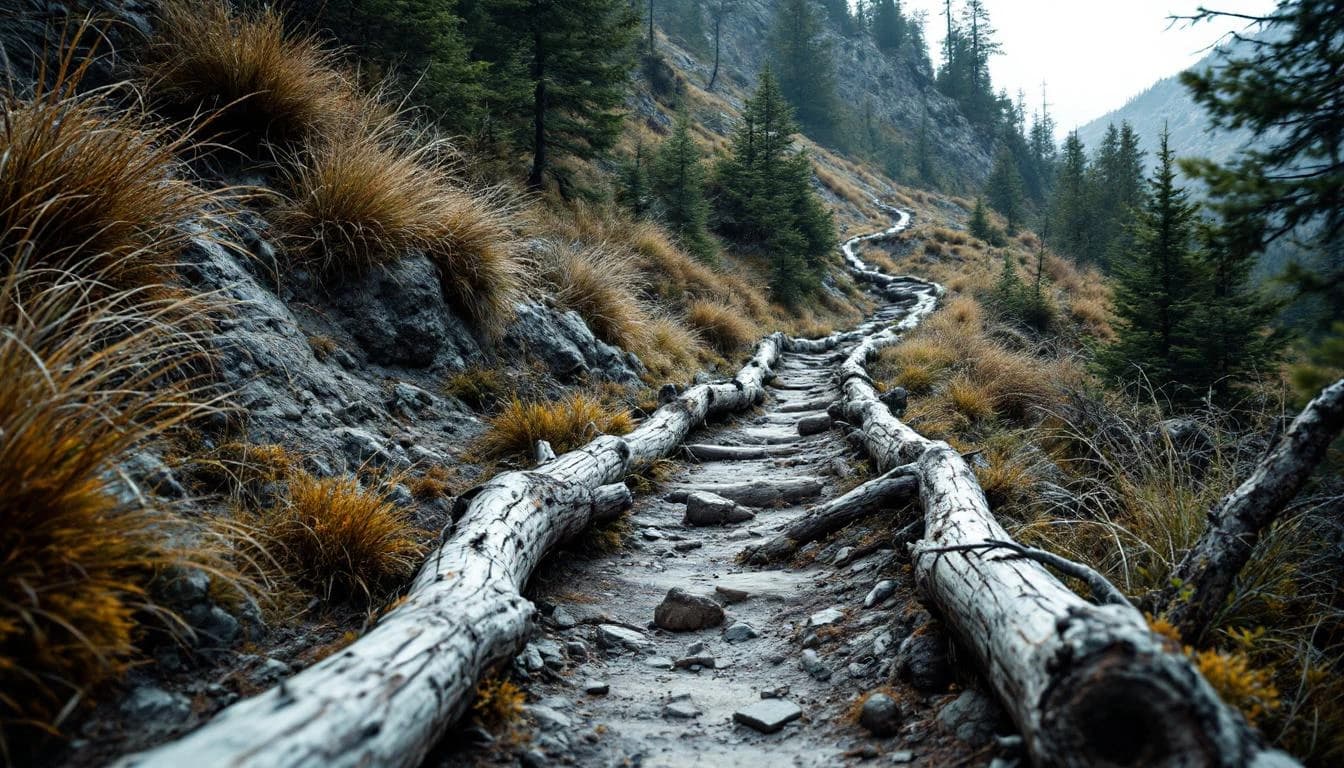
The route traverses the Hajar Mountain range through a combination of historical trails and mountain paths. Runners move through varied terrain including rocky singletrack, village passages, and sections across exposed mountainside. The course connects traditional settlements, offering views across deep wadis and terraced agricultural zones. Technical sections require attention to footing on loose rock and uneven surfaces typical of mountain trails in arid regions.
Elevation Profile
Elevation profile estimated from terrain data. Actual course may differ.
The course gains 132m over 32km, with the steepest section between km 11–km 11.
Location
Practical Info
Cool to mild temperatures during the winter race season (December-March), with daytime temperatures typically ranging from 15-25°C. Low humidity and minimal rainfall. Strong sun exposure at altitude requires sun protection despite cooler air temperatures.
MCT - Muscat International Airport
Nizwa offers hotels and guesthouses ranging from international chains to traditional Omani properties. The city is approximately 90 minutes from Muscat International Airport by car. Most runners stay in Nizwa proper for convenient race access, though accommodation options exist in surrounding mountain villages for those seeking more remote settings.