About This Race
The 103K represents the middle ground in Oman by UTMB's distance offerings, designed for ultrarunners ready to commit to a serious desert mountain challenge. Set in the Hajar Mountains near the historic city of Nizwa, this course takes runners deep into one of Arabia's most dramatic landscapes—a terrain of rust-colored peaks, ancient villages, and wadis that have channeled water through this arid region for millennia. The distance demands thorough preparation for extended time on feet in conditions that diverge sharply from typical alpine ultra environments. Runners navigate mixed terrain that shifts between established trails and technical rocky sections characteristic of the Hajar range. The Arabian climate presents its own demands: even in the cooler months when UTMB schedules this event, temperatures can fluctuate significantly between sun-exposed ridges and shaded canyon passages. Adequate experience with self-sufficiency between aid stations is essential, as sections of the course traverse genuinely remote territory where the nearest support may be hours away. This distance suits runners who have completed multiple ultra distances and are looking to experience trail running in a markedly different environment from European or North American mountain races. The 103K provides enough distance to fully engage with the Hajar Mountains' unique character without requiring the multi-day recovery typical of the 154K route.
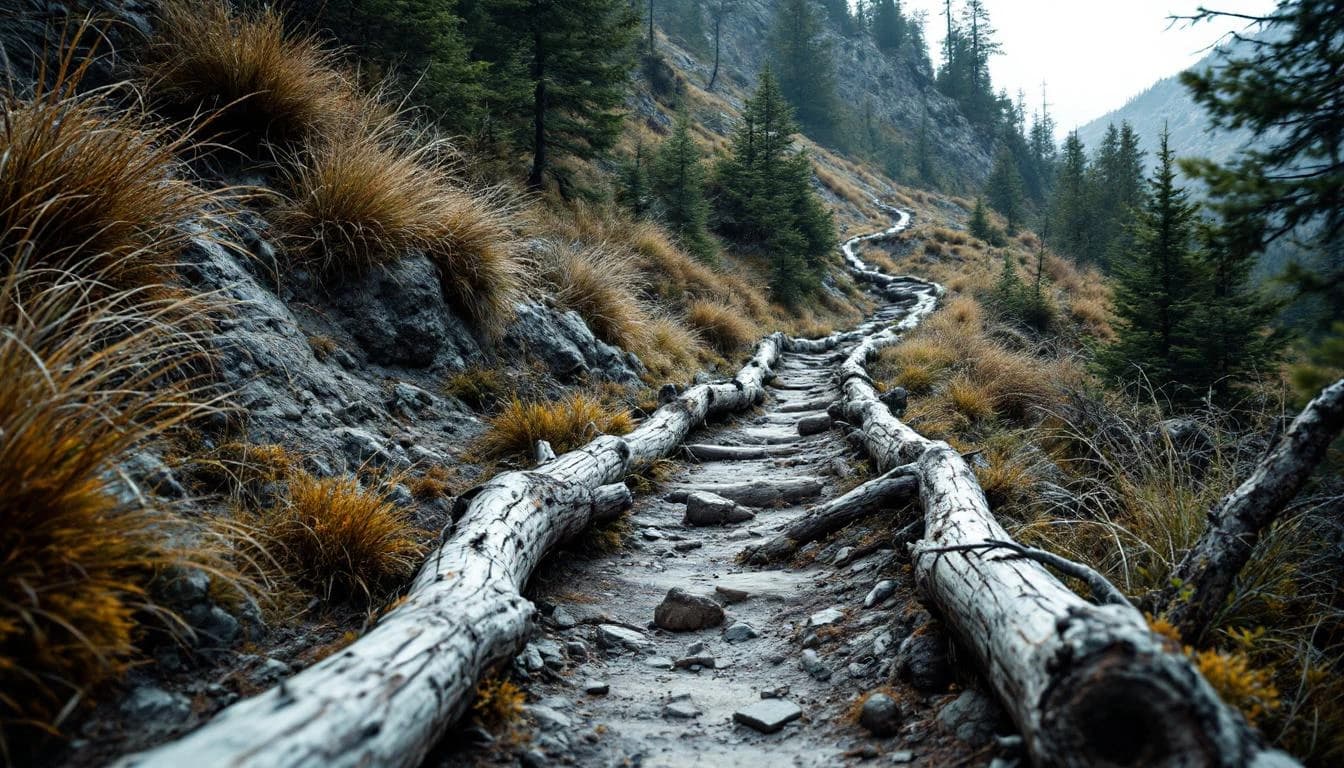
The course winds through the Hajar Mountains, Oman's primary mountain range that runs parallel to the Gulf of Oman coast. Runners encounter terrain that ranges from well-defined mountain paths to rocky, technical sections requiring careful foot placement. The route passes through traditional mountain villages and follows ancient trade routes that have connected these settlements for centuries. Water crossings through wadis may be dry or flowing depending on recent rainfall patterns in the region.
Elevation Profile
Elevation profile estimated from terrain data. Actual course may differ.
The course gains 2,130m over 103km, with the steepest section between km 85–km 86.
Location
Practical Info
January offers the most temperate conditions in Oman, with daytime temperatures typically ranging from cool mornings to warm afternoons. Nights can be surprisingly cool at elevation. Rain is possible but infrequent, though conditions can change quickly in mountain environments.
MCT - Muscat International Airport
Nizwa, approximately 90 minutes from Muscat, serves as the race base with hotels ranging from international chains to traditional Omani guesthouses. Most international runners fly into Muscat's international airport and drive to Nizwa. Early booking is advisable as the UTMB event draws participants from across the region and beyond.