About This Race
The 154K stands as the flagship distance of Oman by UTMB, a journey through the ancient Hajar Mountains that begins in the historic city of Nizwa. This race demands more than fitness—it requires experience managing the unique challenges of desert mountain running, where navigation skills and thermal management become as critical as endurance. Runners follow trails that have connected mountain villages for centuries, crossing remote wadis and ridgelines far from resupply. The course unfolds over terrain that shifts constantly between technical rocky sections, compact desert paths, and ancient stone-paved routes. Expect extended periods of self-reliance between aid stations, with the race often taking seasoned ultra runners 15 to 24 hours to complete. The distance and environment create a true expedition-style experience within the race format. Timing matters significantly here. Runners begin in pre-dawn darkness, navigate through the heat of the Arabian day, and often finish under the remarkable clarity of the desert night sky. The extended time on course means managing hydration across temperature swings of 20°C or more, adding a layer of strategic complexity beyond the physical demands of the distance.
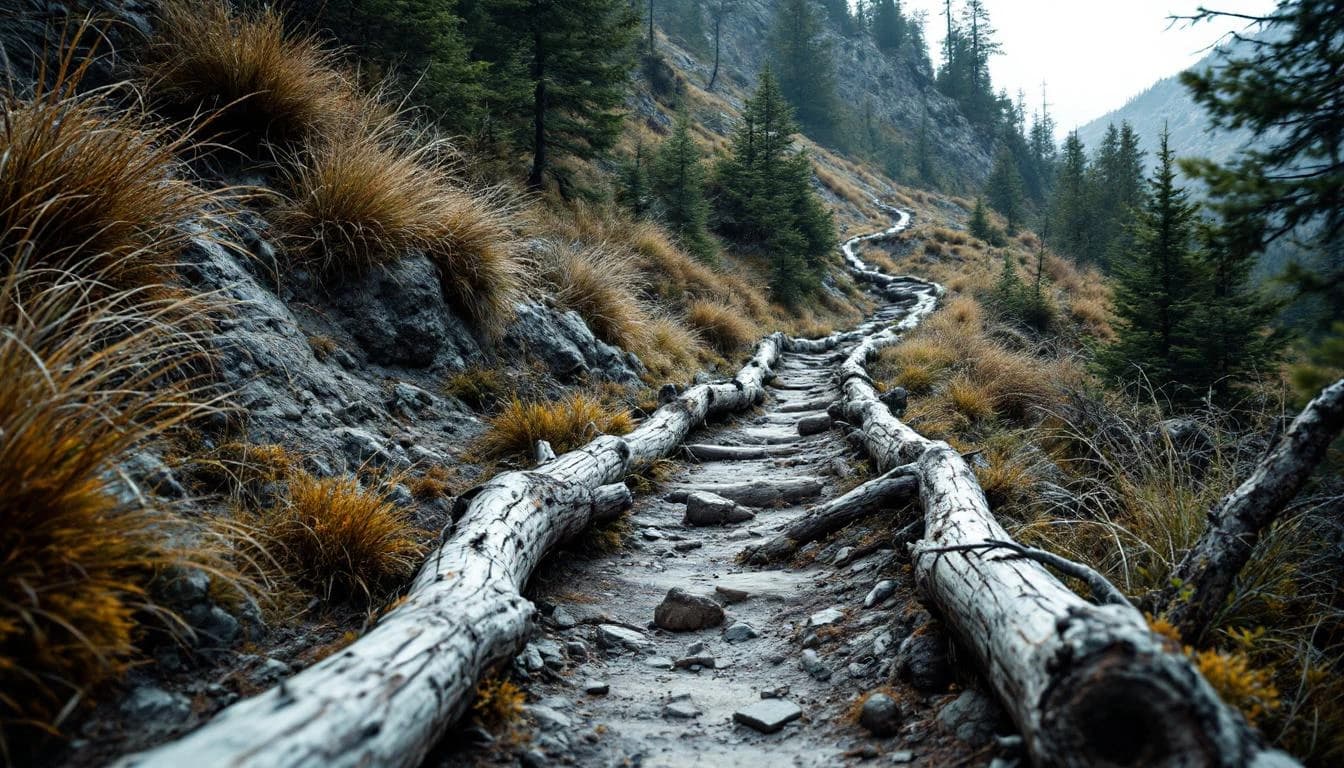
The route traverses the spine of the Hajar Mountains, linking villages and following traditional footpaths that date back centuries. Much of the course runs across exposed terrain where navigation and weather awareness become essential skills. Rocky technical sections alternate with runnable stretches, though the term 'runnable' is relative in this environment—heat, altitude, and cumulative fatigue reshape what's possible as the hours accumulate.
Elevation Profile
Elevation profile estimated from terrain data. Actual course may differ.
The course gains 1,803m over 154km, with the steepest section between km 38–km 39.
Location
Practical Info
November temperatures range from 10-12°C at night to 28-32°C during midday hours. Low humidity and full sun exposure during daylight hours. Conditions are generally stable with minimal precipitation expected.
MCT - Muscat International Airport
Nizwa offers a range of hotels and guesthouses as the primary race hub, located about 90 minutes from Muscat. Book accommodation well in advance, as the UTMB event weekend draws runners from across the region and internationally.