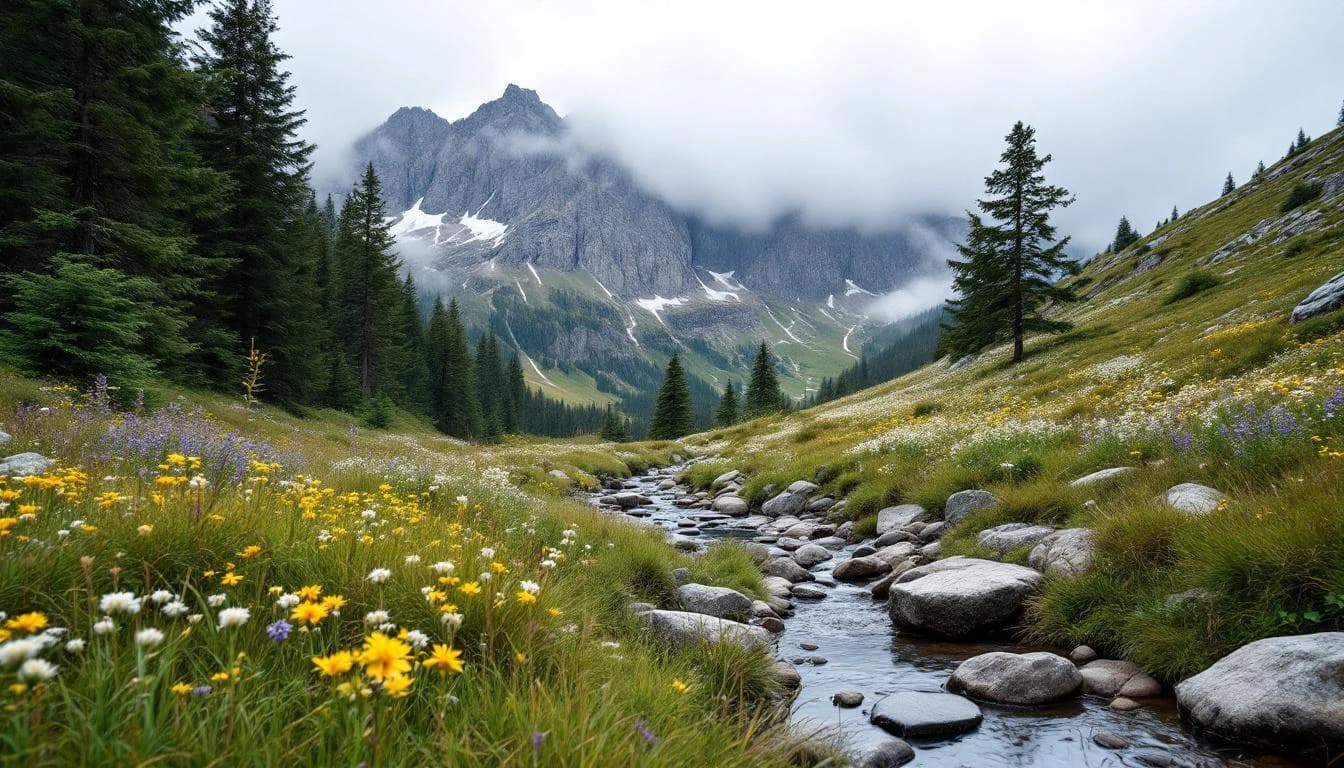
Trail running course near Grindelwald, Bern, CH
Eiger Ultra Trail by UTMB

Eiger Ultra Trail by UTMB 35K

35K·Grindelwald, Switzerland
mountainhigh altitudetechnicaltrailqualifier

AI-generated image

Distance35K
Date15 Jul 2026
Difficulty4/5

Registration is closed for Eiger Ultra Trail by UTMB 35K

Get alerted if spots open up or when next year's registration goes live.

About This Race

The Eiger Ultra Trail by UTMB 35K runs through the UNESCO World Heritage site of the Jungfrau region, where runners traverse trails beneath the iconic north face of the Eiger. Part of the UTMB World Series, this mid-distance event attracts runners seeking a serious alpine challenge without committing to ultra distances. The course draws from the same trail network that has defined Swiss mountain running for generations, offering access to high-alpine terrain that would otherwise require technical mountaineering skills. Grindelwald serves as both start and finish, a village that has anchored alpinism since the golden age of mountain exploration. The race typically runs in mid-July when snowmelt opens the higher passes and alpine meadows reach peak bloom. Runners can expect technical descents, sustained climbs through forests and alpine pasture, and the kind of weather variability that defines mountain racing at elevation. The 35K distance sits in the middle of the Eiger Ultra Trail weekend, sharing the course with shorter and longer events. This makes it suitable for runners building toward 50K or 100K distances, or for experienced mountain runners who want a focused effort in world-class terrain. The UTMB World Series designation means competitive fields and well-supported aid stations, though the mountains themselves remain the primary challenge.

The course departs Grindelwald and climbs through mixed forest before emerging into alpine pasture with views across the Lauterbrunnen valley. Runners traverse high trails beneath the Eiger's north wall, passing through terrain where rock, grass, and snow meet. Technical sections alternate with runnable alpine track, demanding both climbing fitness and descent control. The route returns to Grindelwald through different valleys than the ascent, completing a loop that showcases the region's varied alpine environments.

Location

Practical Info

Weather

Mid-July alpine conditions range from warm sunshine to sudden afternoon thunderstorms. Expect temperatures from 10-25°C (50-77°F) at lower elevations, cooler at higher passes. Afternoon clouds and storms are common in the Swiss Alps.

Nearest Airport

ZUR - Zurich Airport

Accommodation

Grindelwald offers extensive accommodation from budget hostels to luxury hotels, though booking well in advance is essential during the race weekend. The village is accessible by train from Interlaken, and Swiss public transport reaches most lodging options directly.

Best For

mountain runnersultra runnersinternational travelersexperienced trail runners

Notable Features

Running beneath the Eiger's north face places runners in terrain that holds deep significance in mountaineering history. The UNESCO World Heritage designation reflects the geological and cultural importance of the Jungfrau region. As part of the UTMB World Series, the race draws an international field and offers qualifying points for UTMB Mont-Blanc. The course infrastructure benefits from Switzerland's long tradition of mountain trail maintenance, with well-marked paths and established alpine hut systems.

Other Distances at This Event

15K

800m gain

This 15K surprise course offers 800 meters of elevation gain, providing participants with an element of discovery in their Alpine adventure. The shorter distance allows runners to focus on enjoying the spectacular mountain environment and Swiss trail running culture.

16K

The route begins in Grindelwald and climbs into the network of trails that connect the valley's mountain stations and alpine huts. Expect a combination of wide mountain paths used by hikers and narrower singletrack sections that require technical footwork. The course design emphasizes the vertical nature of this landscape, with climbs that gain altitude steadily rather than gradually, and descents that demand controlled technique on uneven surfaces.

51K

The course explores the terrain surrounding Grindelwald, moving through a landscape shaped by glacial valleys and limestone ridges. Runners encounter the mixed surfaces typical of Swiss mountain trails: maintained hiking paths, rocky sections requiring careful foot placement, and alpine pasture crossings. The route profile reflects the vertical nature of the Bernese Oberland, though specific elevation details are not currently published. Grindelwald sits at approximately 1,034 meters elevation, and the surrounding trail network extends both higher into the peaks and lower into adjacent valleys. The mid-July timing means runners face full summer conditions at altitude, with potential afternoon weather changes common in the Alps.

101K

The route explores the trail network surrounding Grindelwald, moving through multiple valleys and alpine zones in the Jungfrau region. Runners encounter the characteristic features of Swiss mountain trails: well-maintained but steep switchbacks, occasional technical sections across scree or root systems, and passages through high alpine meadows. The course typically includes sections with views of the Eiger, Mönch, and Jungfrau peaks, though weather conditions in the mountains can limit visibility. Aid stations follow UTMB standards, positioned at strategic intervals with both nutrition and staffing designed for mountain ultra distances. The mixed terrain requires versatile mountain running skills—comfortable descending on technical surfaces, efficient climbing on sustained grades, and the ability to adjust pacing across varied footing throughout the distance.

250K

The 250K course loops through the Bernese Oberland, connecting Grindelwald with surrounding valleys and alpine passes in a route that showcases the full character of Swiss mountain running. Runners move through diverse ecosystems, from flower-filled meadows and larch forests to exposed ridgelines and glacier-carved terrain. The route includes multiple significant climbs and descents, with technical sections demanding careful foot placement and sustained concentration. Aid stations are spaced according to UTMB standards, but runners should expect longer stretches of self-sufficiency than in shorter formats. Navigation skills are essential, particularly if weather deteriorates or if running through the night. The course passes through traditional Swiss villages where local support adds energy to difficult moments, though much of the route unfolds in wild, remote terrain where runners must rely entirely on their own preparation and resolve.