About This Race
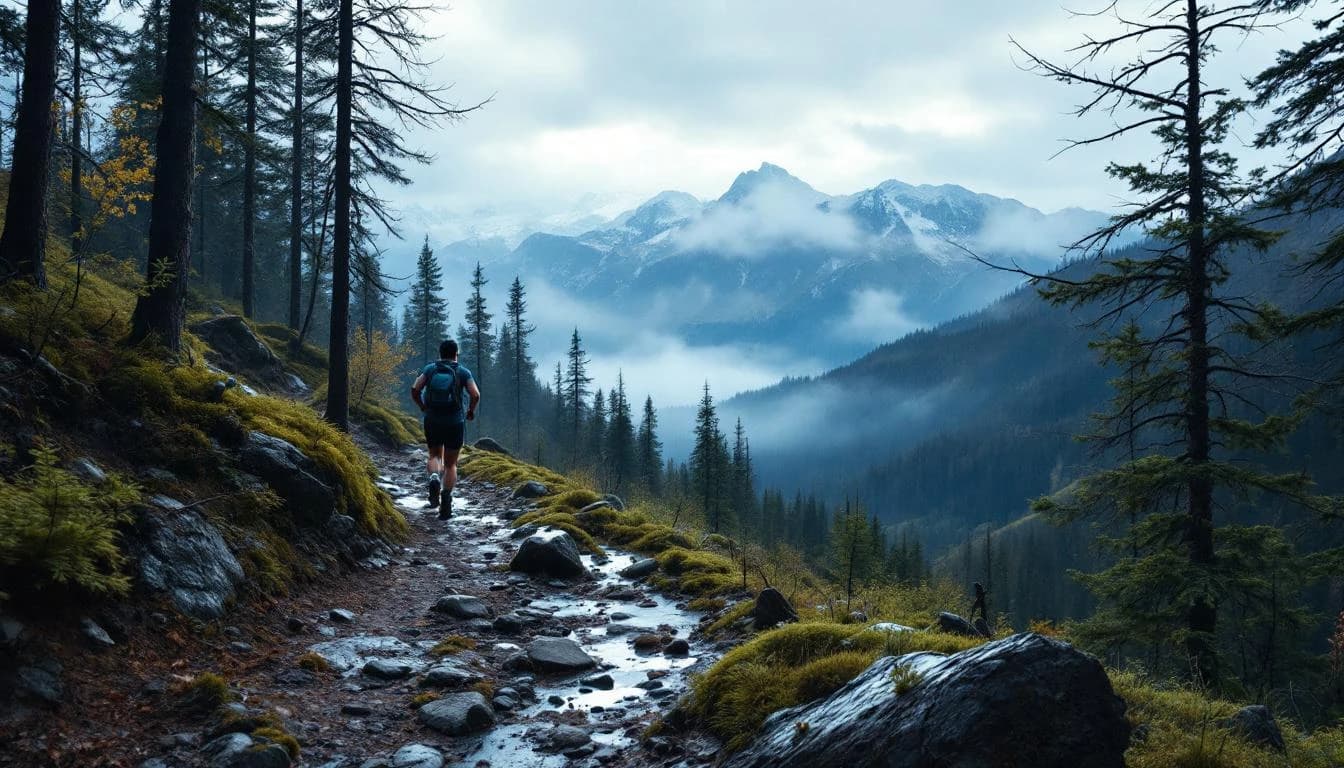
The Bucovina Ultra Rocks 72K serves as the signature distance in this UTMB Index Race, offering a complete traverse of the Rarău and Giumalău massifs in Romania's Eastern Carpathians. The course winds through one of Europe's most intact mountain ecosystems, where primeval beech and spruce forests give way to alpine meadows and limestone ridges that have barely changed since medieval times. This is mountain running in its purest form, far removed from the crowded trails of Western Europe. The race follows an intricate network of shepherds' paths and ridge lines that have connected remote villages for centuries. Runners move through the Cheile Zugrenilor gorge system and across exposed peaks where the terrain shifts from soft forest floor to sharp karst formations. The technical nature of the route demands constant attention, particularly on descents where roots, rocks, and mud test even experienced mountain runners. As a UTMB Index Race, the 72K draws an international field while maintaining the intimate character of a regional mountain event. The course is marked but requires confident navigation skills, especially if weather moves in across the ridges. Support is spaced for self-sufficiency between aid stations, making this race a legitimate test of mountain ultrarunning competence rather than a guided tour through scenic terrain.
The 72-kilometer route forms a demanding loop through the Rarău and Giumalău mountain ranges, characterized by sustained technical terrain and the geological complexity of the Eastern Carpathians. Runners encounter everything from narrow gorge passages to exposed ridgeline running, with the constant thread of ancient forest connecting the high points. The limestone substrate creates sharp, irregular footing in many sections, while centuries of rainfall have carved deeply into the softer stone.
The course alternates between the intimacy of single-track forest trails and the exposure of alpine zones where weather can change within minutes. Several aid stations are positioned at traditional mountain passes and shepherds' huts, but stretches between support require runners to carry adequate supplies and navigation tools. The route's technical demands never relent, making this a race where experience with mixed mountain terrain matters as much as raw fitness.
Elevation Profile
Elevation profile estimated from terrain data. Actual course may differ.
The course gains 195m over 72km, with the steepest section between km 64–km 64.
Location
Practical Info
Late July weather in the Eastern Carpathians ranges from warm valley starts to cool, potentially wet conditions on exposed ridges, with afternoon thunderstorms common in the mountains.
The race is based in the Bucovina region of northern Romania, with accommodation options in nearby towns such as Câmpulung Moldovenesc and Vatra Dornei, where guesthouses and small hotels serve the local tourism industry.
Best For
Notable Features
This race provides access to the Rarău and Giumalău massifs, mountain ranges that remain remarkably wild by European standards, with extensive old-growth forests and minimal human development. The route passes through the traditional lands of Bucovina, where Romanian shepherd culture persists in ways that have vanished elsewhere in the Carpathians. As a UTMB Index Race, it offers qualifying points while maintaining the character of a true mountain event rather than a commercialized ultra spectacle. The geological diversity of the limestone ridges and gorge systems creates constantly varied terrain that demands technical skill throughout the distance.