About This Race
The 48K distance at Bucovina Ultra Rocks represents a deliberate entry point into UTMB World Series mountain running. Set in Romania's Carpathian Mountains, this course delivers technical trail running through ancient beech and spruce forests that have stood for centuries, interspersed with rocky ridge sections that require careful footing and concentration. The distance allows runners to experience the full character of Bucovina's terrain without the extreme time commitment of the ultra-long distances. This race attracts runners making the transition from road marathons to mountain ultras, as well as experienced trail runners seeking a challenging single-day mountain effort. The technical nature of the terrain demands more than cardiovascular fitness—navigation skills, confident descending, and the ability to adjust pace based on underfoot conditions all matter here. The Carpathian environment can shift quickly, and runners spend enough time on course to experience the full range of mountain conditions. Bucovina's trails pass through a region known for its painted monasteries and preserved rural traditions, giving the race a distinct cultural context. The local communities have maintained footpaths through these mountains for generations, and the race follows routes that connect villages and ridgelines in patterns established long before trail running existed.
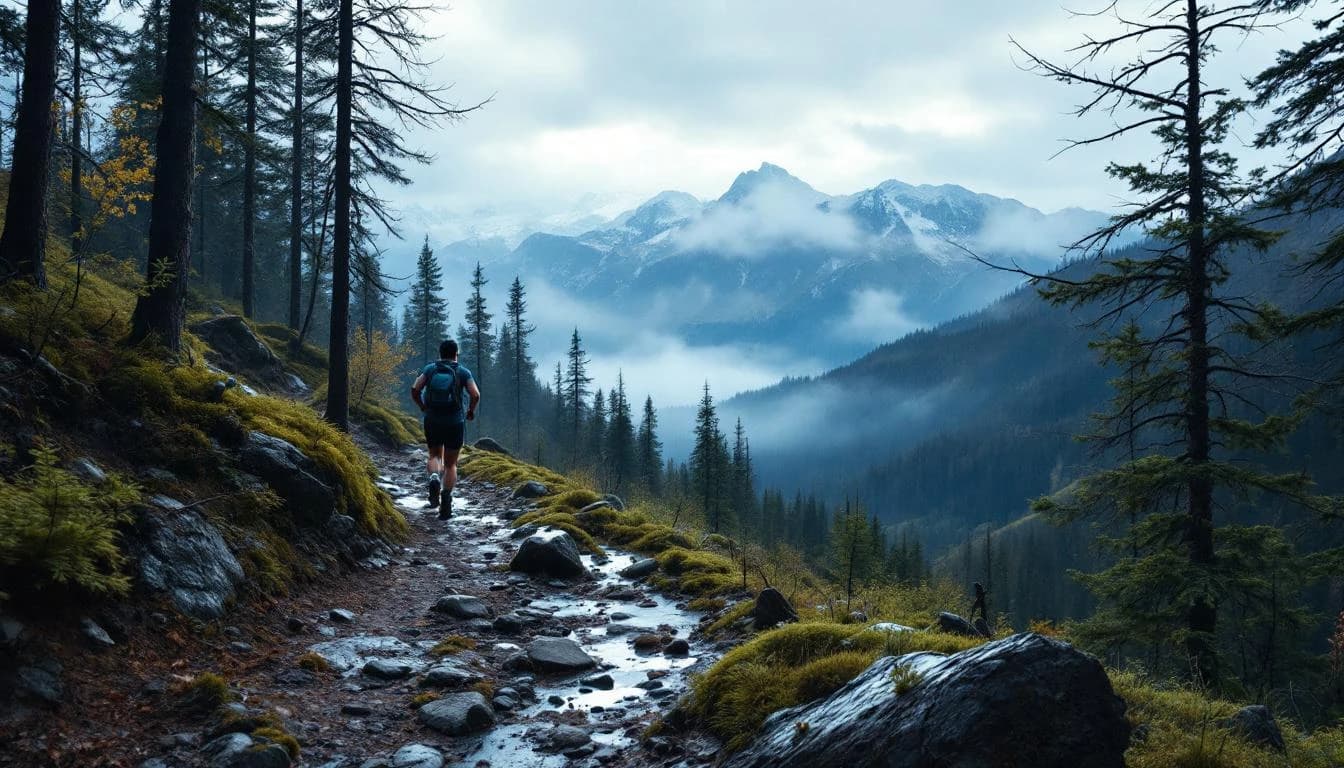
The course traverses mixed Carpathian terrain, combining forest singletrack with exposed ridge sections and occasional rocky outcrops that require hands-on scrambling. Runners move through dense beech and spruce forests on trails that can be root-covered and technical, then emerge onto more open ridge lines where navigation becomes more exposed. The route showcases the diversity of Bucovina's mountain landscape, from shaded woodland passages to rocky high points with broader views of the surrounding peaks and valleys.
Elevation Profile
Elevation profile estimated from terrain data. Actual course may differ.
The course gains 199m over 48km, with the steepest section between km 89–km 90.
Location
Practical Info
Late July in the Carpathians typically brings warm valleys with cooler temperatures at elevation. Afternoon thunderstorms are common in mountain areas during summer months, and conditions can change quickly on exposed ridges.
The race is based in the Bucovina region of northeastern Romania. Suceava is the nearest major city with full accommodation options and transport connections. Smaller mountain villages near the course offer guesthouses and traditional Romanian lodging, though availability may be limited during race weekend.
Best For
Notable Features
Part of the UTMB World Series, this race provides qualifying points for UTMB Mont-Blanc while introducing runners to the Carpathian Mountains' distinct character. The course runs through a region of Romania known for its UNESCO-protected painted monasteries and traditional mountain villages, offering cultural depth alongside the mountain challenge. The ancient forests and technical trail sections give the race a wilder feel than many European mountain ultras, with less developed infrastructure and more remote passages between aid stations.