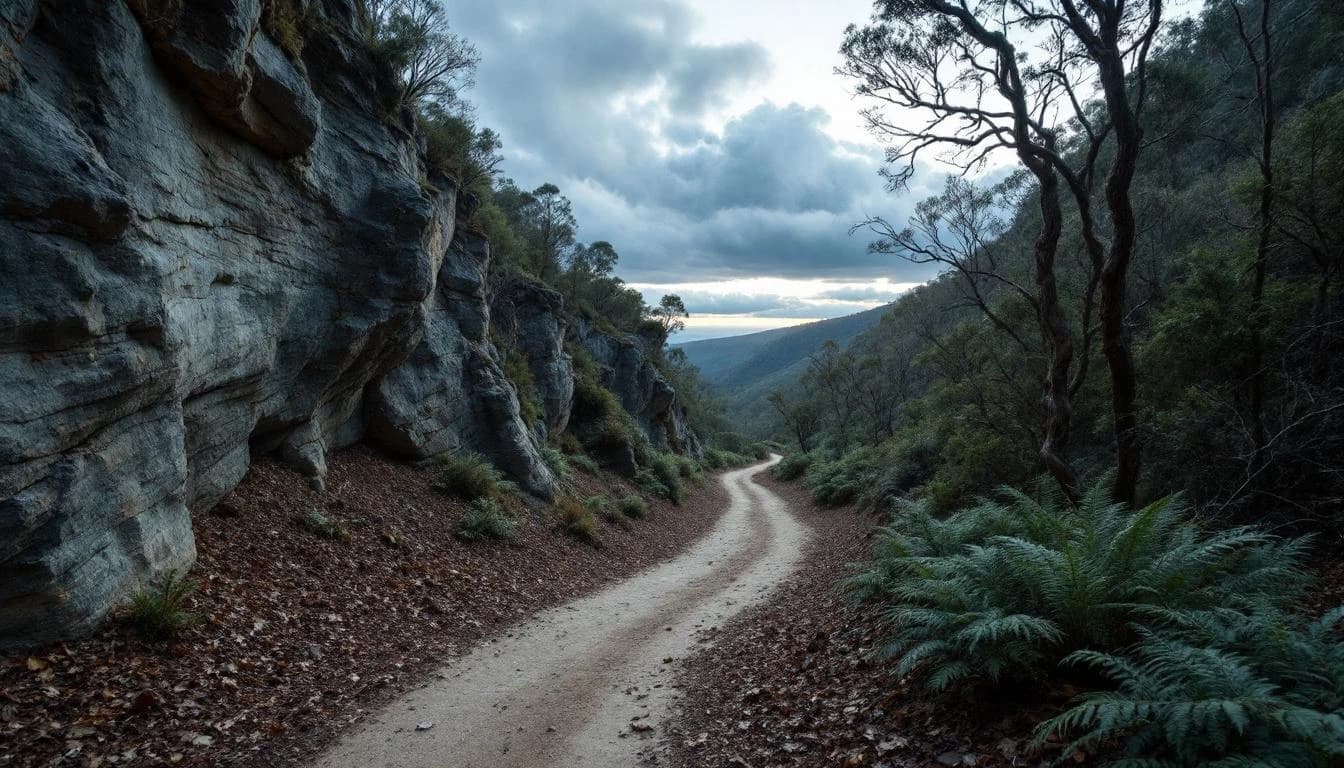
Trail running course near Katoomba, New South Wales, AU
Ultra-Trail Australia by UTMB

Ultra-Trail Australia by UTMB 100K

100K·Katoomba, New South Wales
ultra100kmountaintechnicaltrailqualifierloop

AI-generated image

Distance100K
Date14 May 2026
Difficulty4/5

Registration is closed for Ultra-Trail Australia by UTMB 100K

Get alerted if spots open up or when next year's registration goes live.

About This Race

The 100K represents the core ultra distance at Ultra-Trail Australia, traversing the sandstone escarpments and eucalyptus forests of the Blue Mountains World Heritage Area. Starting and finishing in Katoomba, runners follow a demanding out-and-back route that showcases why this region has become one of Australia's premier trail running destinations. The course attracts a field of experienced ultrarunners, many using it as a stepping stone toward the 100-mile distance or as a challenging race in its own right. Finishers typically cross the line in 12-15 hours, navigating technical rock sections, river crossings, and sustained climbs throughout the day and into the night. The Blue Mountains present unique challenges: loose sandstone, steep staircases carved into cliff faces, and navigation through dense forest sections where concentration must remain sharp even as fatigue sets in. As part of the UTMB World Series, the race draws an international field while maintaining strong representation from Australia's ultrarunning community. The distance sits in a sweet spot for many runners—substantial enough to require serious preparation and respect, but manageable enough to avoid the extended recovery periods associated with 100-mile efforts. Most participants approach this as a seasonal goal race rather than a stepping stone, recognizing that the Blue Mountains terrain makes every kilometer count.

The route follows an out-and-back course from Katoomba, descending into the Jamison Valley before climbing back onto the plateau. Runners traverse the iconic Six Foot Track section, encounter the Golden Stairs (a notorious 900-step ascent), and pass through checkpoints at strategic locations including the historic Megalong Valley. The course combines fire trails with technical singletrack, requiring both physical endurance and technical skill as runners navigate rock scrambles and uneven sandstone formations.

Night running is almost certain for mid-pack finishers, adding navigation challenges through forested sections where headlamps illuminate towering eucalyptus and weathered rock formations. The return journey tests mental fortitude as runners retrace their steps, confronting familiar climbs with tired legs while managing the cooling temperatures of a Blue Mountains evening.

Location

Practical Info

Weather

Mid-May brings autumn conditions to the Blue Mountains with daytime temperatures typically 12-18°C (54-64°F), though exposed ridgelines can be significantly cooler. Night temperatures may drop to 5-8°C (41-46°F). Rain is possible, and fog occasionally settles into valleys, reducing visibility.

Nearest Airport

SYD - Sydney Kingsford Smith Airport

Accommodation

Katoomba offers a range of accommodation from budget hostels to boutique hotels, though booking well in advance is essential as the town is a popular tourist destination. The race weekend typically sees accommodation fill quickly, and some runners opt to stay in nearby towns like Leura or Blackheath with shuttle access to the start.

Best For

ultrarunnersmountain runnersexperienced trail runners

Other Distances at This Event

1K

25m gain

The 1K distance offers families and new runners a chance to participate in the UTA celebration. This short course provides a gentle introduction to trail running in the beautiful Blue Mountains setting.

11K

The route explores trails within the Greater Blue Mountains area, known for its dramatic escarpments, sandstone cliffs, and dense eucalyptus forests. Runners can expect a mix of fire roads and singletrack, with sections of technical terrain that require focused attention to root networks and rock gardens typical of the region's ancient sandstone geology. The Blue Mountains present distinct challenges compared to other Australian trail systems, with trails that often follow cliff lines and traverse steep-sided valleys carved over millennia.

22K

The route navigates the plateau edge west of Katoomba, utilizing a network of trails that wind through forest and along cliff lines. Runners encounter technical rocky sections that demand attention, particularly when wet. The Blue Mountains terrain is characterized by frequent elevation changes as trails descend into valleys and climb back to the plateau, though specific elevation figures for this course aren't publicly available. Water crossings and root-laced singletrack are standard features.

50K

The 50K route winds through the heart of the Blue Mountains World Heritage Area, utilizing portions of historic walking tracks that connect Katoomba with the wilderness to the west. Runners navigate technical descents on sandstone staircases, sections of forested singletrack beneath towering eucalypts, and wider fire trails that allow for faster running between the more demanding technical zones. The course includes multiple creek crossings and passages through narrow valleys before climbing back to the plateau. The Blue Mountains terrain is distinctive for its layered sandstone formations, which create natural staircases and rock gardens that require careful foot placement. Sections of the course follow cliff edges with exposure, while others drop into protected valleys where tree ferns and moss-covered rocks signal the temperate rainforest microclimate. Navigation is straightforward with clear marking and course flagging, but the technical nature of the descents and the cumulative effect of rocky terrain demand focus throughout.

100 miles (161.1K)

The multi-loop course maximizes the Blue Mountains' technical character, with runners covering sections of the iconic Six Foot Track and other protected trails within the national park system. Sandstone ledges, root systems, and rock staircases define much of the terrain, requiring constant attention to foot placement even as exhaustion mounts. The repetition of loops adds a psychological dimension—familiar sections become testing grounds for how well runners are managing fatigue and maintaining form. Aid stations provide regular support, though the technical nature of the trails and the duration of the event mean self-sufficiency between stations remains critical. Night running is inevitable for most of the field, adding navigation and concentration challenges to already demanding trails. Weather in the Blue Mountains can shift rapidly, and runners should prepare for cool temperatures, potential rain, and the exposure that comes with high ridgeline sections.