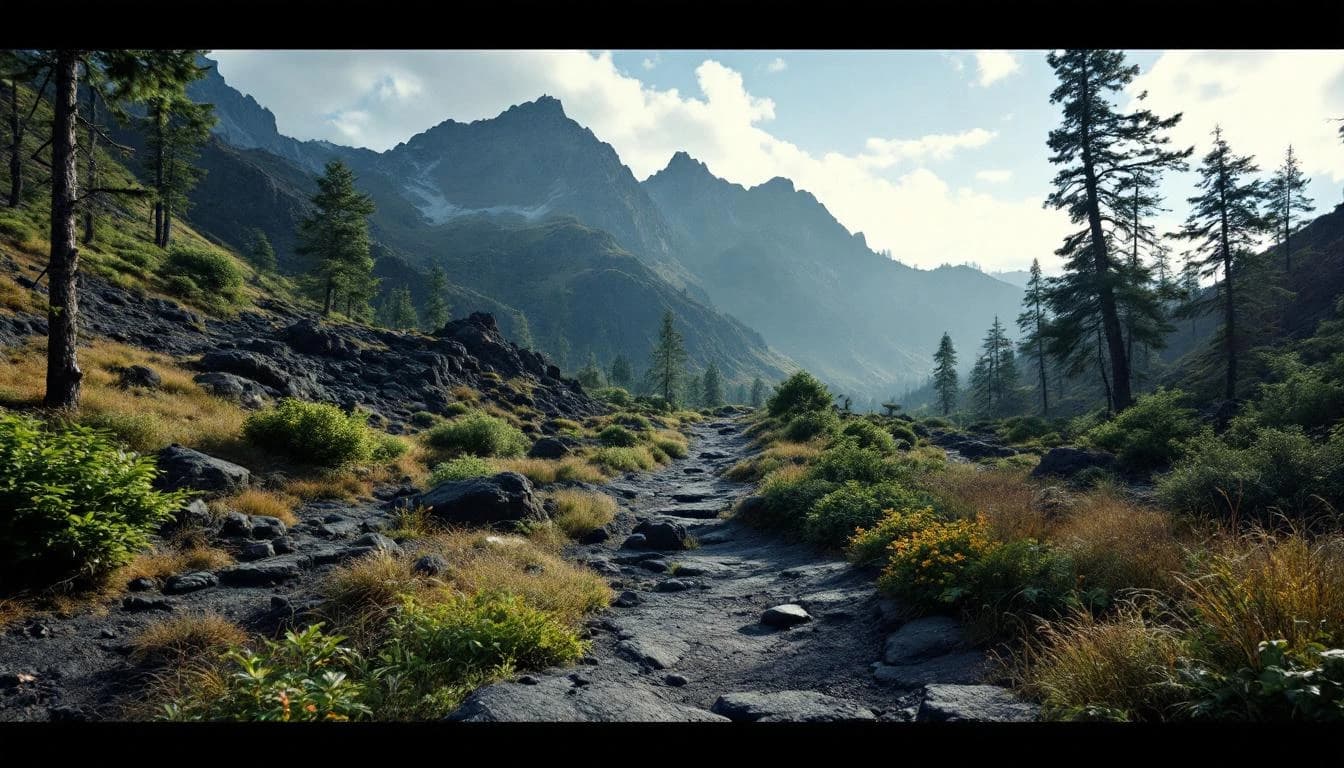
Trail running course near Pangururan, North Sumatra, ID
Trail of the Kings - Lake Toba by UTMB

Trail of the Kings - Lake Toba by UTMB 10K

10K·Pangururan
mountainforesttechnicaltrailqualifier10kbeginner friendly

AI-generated image

Distance10K
Date12 Jun 2026
Difficulty2/5

About This Race

The Trail of the Kings 10K runs across Samosir Island, the volcanic landmass at the center of Lake Toba in North Sumatra. This UTMB series event follows trails through the cultural heartland of the Batak people, where stone tombs and traditional villages mark a landscape shaped by centuries of habitation. The distance suits runners seeking technical trail experience without the prolonged effort required by ultramarathon formats. The race takes place in June, near the end of North Sumatra's dry season. Runners navigate forest paths and open sections across terrain formed by ancient volcanic activity. The 10-kilometer format allows focus on footing and navigation rather than endurance management, making it accessible to those newer to trail running while still offering legitimate technical challenges for experienced runners.

The course moves through mixed terrain on Samosir Island, combining forested singletrack with sections that pass Batak cultural sites. Trails cross volcanic soils and may include technical passages requiring careful foot placement. The route showcases the island's interior landscape while remaining shorter in duration than the event's longer distances.

Location

Practical Info

Weather

June typically brings warm, humid conditions with minimal rainfall as the dry season nears its end. Temperatures range from 20-30°C with high humidity common to tropical highland environments.

Accommodation

Pangururan serves as the main town on Samosir Island with guesthouse and hotel options. Ferry access from Parapat on the mainland connects to the island, and additional lodging exists in Tuk Tuk and other lakeside villages.

Best For

ultra_runnersmountain_runnerstrail_enthusiastscultural_experience_seekers

Other Distances at This Event

5K

The route traverses mixed terrain around Pangururan, combining lakeside paths with village trails and forested sections. Runners pass through traditional Batak settlements where the cultural landscape remains largely intact, offering views across Lake Toba toward the Sumatran mainland. The course keeps technical demands minimal, making it suitable for runners new to trails or those running with family members.

28K

The route explores Samosir Island's interior trails and volcanic landscape, connecting traditional Batak villages with the forested terrain that covers much of the island's elevated interior. Runners encounter mixed surfaces that include established trails, connecting paths between settlements, and sections across volcanic substrate. The course showcases the island's dual character as both a living cultural landscape and a geological formation born from ancient cataclysmic eruption. Specific routing details vary by year as the UTMB organization refines the course design. The terrain favors runners comfortable with variable footing and tropical trail conditions, where humidity and occasional weather shifts require different pacing strategies than temperate-climate events.

60K

The route traverses Samosir Island's interior, moving through mixed terrain of forest trails, agricultural land, and traditional pathways connecting highland communities. Runners navigate landscapes shaped by volcanic history, though specific elevation profiles have not been published by race organizers. The island's geography suggests variable terrain throughout, with the course incorporating both natural trails and paths through rural settlements where the Batak cultural presence remains strong.

100K

The route circles Samosir Island counterclockwise, starting and finishing in Pangururan on the island's western edge. Runners traverse the full spectrum of the island's geography, from lakeside sections to interior volcanic terrain and highland forests. The course links traditional Batak villages where stone tombs and traditional architecture mark centuries of habitation, with long stretches through primary forest where the canopy provides intermittent shade. Technical sections alternate with more runnable terrain, though root systems, volcanic rock, and tropical trail conditions demand constant attention to footing throughout.