About This Event
Since 1988, the Silver State 50/50 has carved out its reputation as one of Nevada's premier trail running challenges, drawing runners to Reno's high desert terrain. Based from Rancho San Rafael Park, this long-standing event showcases the rugged Sierra Nevada foothills with their mix of technical singletrack and exposed ridgeline running. The race's enduring appeal lies in its honest portrayal of Nevada's demanding landscape, where altitude and terrain combine to test runners across multiple distance options.
Choose Your Distance
Half Marathon
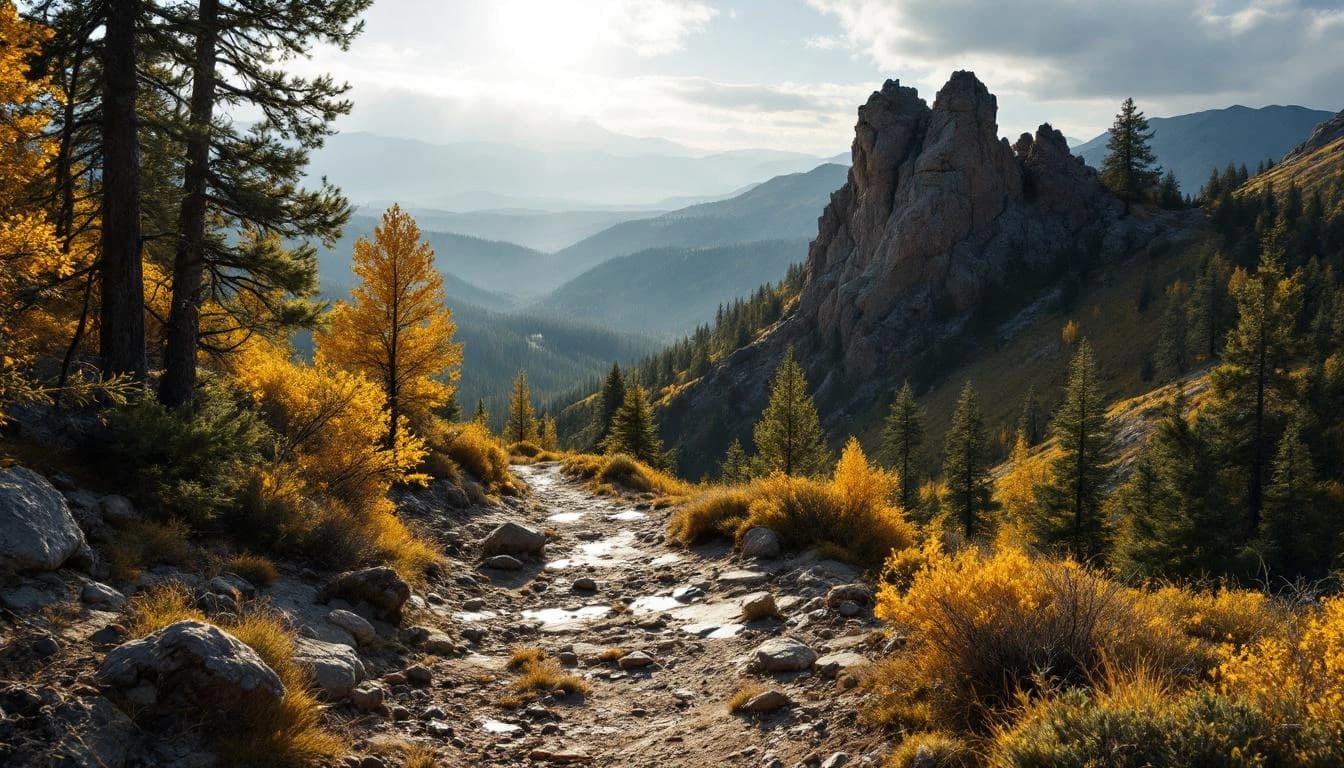
The Silver State course traverses Peavine Mountain's challenging terrain, climbing from 4,700 feet to a high point of 8,266 feet. Runners navigate entirely on dirt trails and fire roads through varied landscapes including sagebrush slopes, pine forests, and high-elevation aspen groves. The 50K features 6,100 feet of climbing and descending, while the 50-mile distance adds Jimmy's Loop - a demanding 7.1-mile detour with an additional 1,800 feet of elevation gain that showcases some of the region's most scenic terrain. Key sections include the initial climb from Rancho San Rafael Park, the technical descent through Long Valley, and the sustained climbing toward Peavine Peak. The course's remote sections require careful navigation and self-reliance, with aid stations positioned strategically but spaced significantly apart through the mountain's more inaccessible areas.
Silver State 50K
The Silver State course traverses Peavine Mountain's challenging terrain, climbing from 4,700 feet to a high point of 8,266 feet. Runners navigate entirely on dirt trails and fire roads through varied landscapes including sagebrush slopes, pine forests, and high-elevation aspen groves. The 50K features 6,100 feet of climbing and descending, while the 50-mile distance adds Jimmy's Loop - a demanding 7.1-mile detour with an additional 1,800 feet of elevation gain that showcases some of the region's most scenic terrain. Key sections include the initial climb from Rancho San Rafael Park, the technical descent through Long Valley, and the sustained climbing toward Peavine Peak. The course's remote sections require careful navigation and self-reliance, with aid stations positioned strategically but spaced significantly apart through the mountain's more inaccessible areas.