About This Event
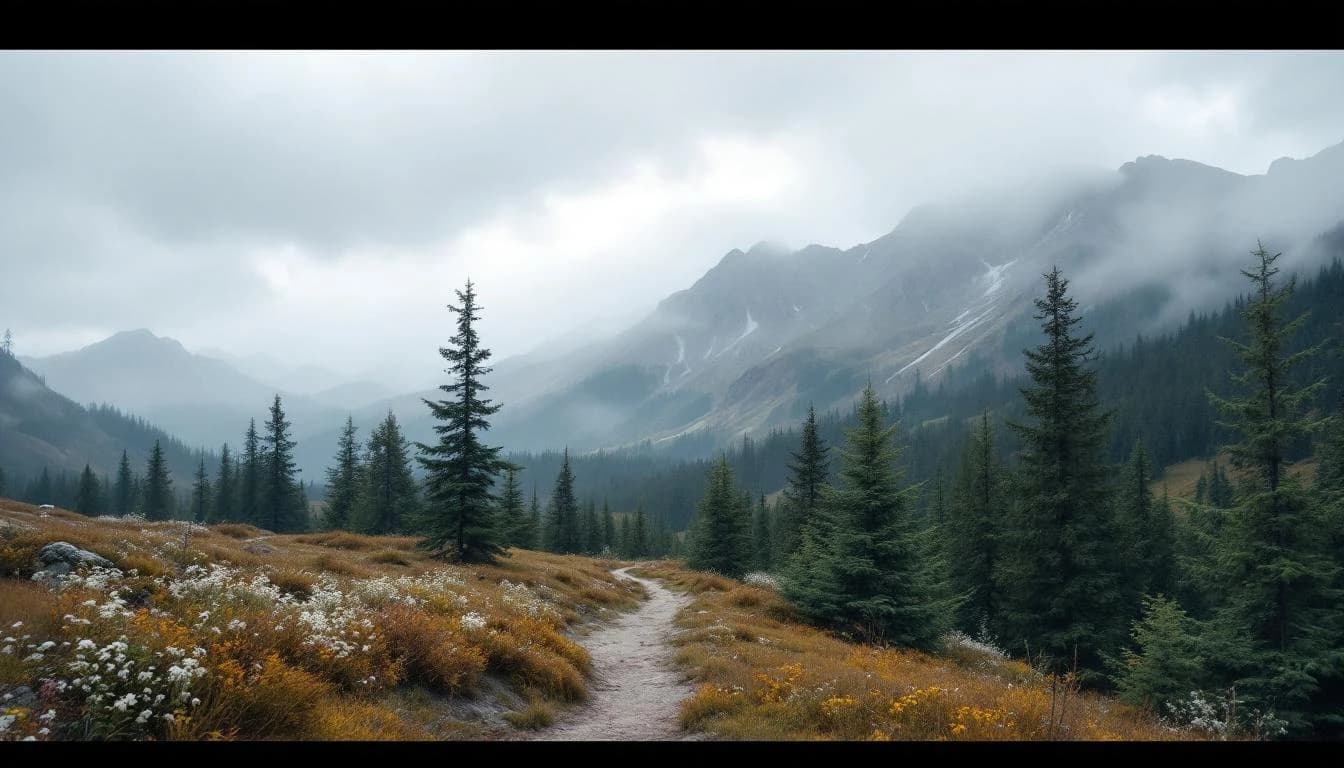
The Julian Alps Trail Run by UTMB stands as Slovenia's premier trail running event and the country's sole representative in the prestigious UTMB World Series. Set against the backdrop of the majestic Julian Alps, this race attracts over 5,000 runners from more than 80 countries annually, making it one of Europe's most international trail running gatherings. The event showcases Slovenia's natural crown jewel, Triglav National Park, the country's only national park. Runners traverse scenic single trails through dense forests and alpine meadows, with courses that capture panoramic vistas of Lake Bled and the towering peaks of the Julian Alps. The race hub in Kranjska Gora, a charming alpine resort, provides access to iconic Slovenian landmarks including the fairy-tale island of Lake Bled and the historic town of Radovljica. As part of the UTMB World Series, participants earn valuable UTMB points and Running Stones essential for qualifying for the renowned HOKA UTMB Mont-Blanc races. The event offers six distinct distances, each designed to showcase different aspects of Slovenia's diverse alpine terrain while maintaining the authentic character of European trail running.
Choose Your Distance
10K
The shortest distance offers a gentle introduction to alpine trail running. Perfect for families or runners new to mountain terrain, this course maintains scenic beauty while minimizing technical demands.
15K
The course winds through the forests and trails surrounding Kranjska Gora, utilizing singletrack paths typical of the Julian Alps terrain. Runners can expect natural trail surfaces with roots, rocks, and the technical features common to forested mountain running. The route showcases the region's coniferous forests and provides views of the surrounding peaks that define this corner of Slovenia.
25K
A 25K trail race, Kranjska Gora.
50K
The course explores the diverse terrain of Triglav National Park, moving from valley floors through alpine forest and into higher elevation zones. Runners encounter technical singletrack that demands focus on rocky descents and sustained climbing through switchbacks carved into steep mountainsides. The route showcases the region's distinctive karst geology, with limestone formations and occasional exposure on ridge sections offering views toward Triglav, Slovenia's highest peak. Aid stations are positioned at strategic intervals, though runners should expect European mountain race standards where self-sufficiency between stations is essential. Weather can shift rapidly in the Julian Alps, and course markings follow UTMB standards with reflective markers for potential low-visibility conditions.
80K
The course moves north from Kranjska Gora into the Martuljek mountain group before turning south through the Vrata Valley beneath the north face of Triglav, Slovenia's highest peak. Technical singletrack dominates the route, with extended sections on rocky alpine paths that demand consistent attention to footing. Forest trails provide brief respite between higher elevation passages, but the overall profile maintains a demanding character throughout. Runners navigate terrain shaped by glacial history and limestone geology, passing mountain huts and shepherd stations that have served alpine travelers for centuries. The route's remoteness means limited bailout options once committed to certain sections, making proper pacing and gear selection critical from the start.
124K
The route traverses multiple valleys and mountain passes within Triglav National Park, Slovenia's only national park and a protected landscape of limestone peaks and glacial valleys. Runners move through mixed forest on the lower sections before transitioning to open alpine terrain above treeline. The singletrack character remains consistent throughout, though trail conditions vary from smooth packed earth in forested areas to rocky, root-laced sections and exposed limestone in the higher elevations. Much of the course follows traditional shepherd paths and established alpine trails, with some sections sharing routes used by hikers on multi-day treks through the Julian Alps. Navigation markings follow standard trail race protocol, but weather can reduce visibility on exposed ridges where course familiarity becomes valuable.