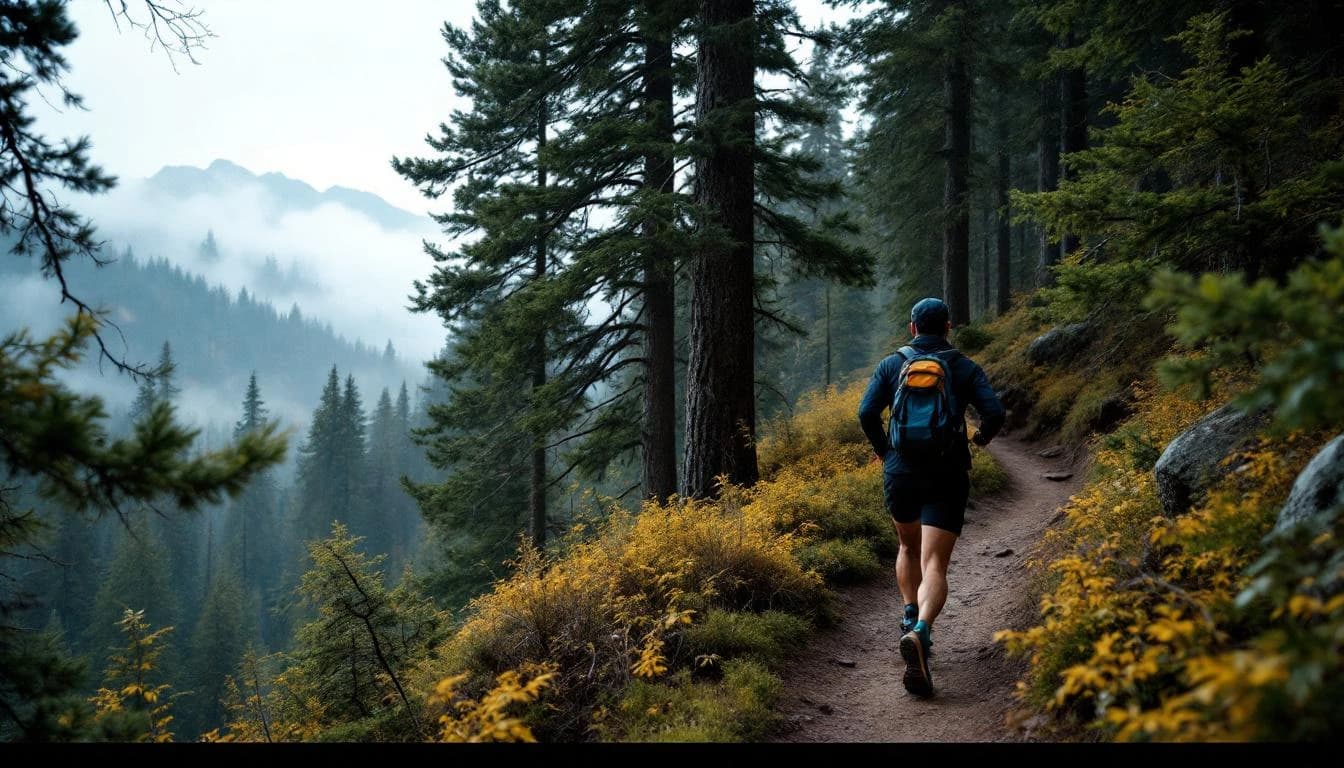
Trail running course near Big Bear Lake, California, USA
HOKA Kodiak Ultramarathons by UTMB

HOKA Kodiak Ultras by UTMB 100K

100K·Big Bear Lake, California
ultra100kmountainforesthigh altitudetechnicaltrailqualifier

AI-generated image

Distance100K
DateOct 9, 2026
Difficulty4/5

About This Race

The HOKA Kodiak Ultras by UTMB 100K traverses the San Bernardino Mountains above Big Bear Lake, moving through three distinct climate zones over its 62-mile course. The route combines exposed high desert sections with alpine terrain near Sugarloaf Mountain, offering runners extended periods on technical singletrack alongside mellower fire road segments. October timing typically provides stable fall conditions in this high-elevation range. This distance sits in a useful middle ground for runners building toward longer mountain ultras. The course demands sustained climbing fitness and comfort with technical footing, but the 100K format keeps total time on feet more manageable than a hundred-miler. The UTMB association brings international field quality and organizational standards to a California mountain race that otherwise might fly under the radar. Big Bear Lake's established resort infrastructure makes race logistics straightforward, while the surrounding national forest terrain provides the kind of varied mountain running that keeps the course engaging across the full distance. Runners experience genuine high-country challenge without needing to travel to more remote mountain ranges.

The route travels through the San Bernardino National Forest, linking trails that span the mountain range's climate zones. Expect transitions from high desert scrubland through mixed conifer forest to the more exposed alpine environment near Sugarloaf Mountain. The course combines singletrack trail with fire road sections, requiring comfort with both technical footing and sustained climbing over variable terrain.

Location

Practical Info

Weather

October brings fall conditions to this high-elevation range, typically offering stable weather with cool mornings and moderate daytime temperatures. Snow is possible but uncommon this early in the season.

Nearest Airport

ONT - Ontario International Airport

Accommodation

Big Bear Lake is a developed mountain resort town with full lodging options, from hotels to vacation rentals. Book early as October remains a busy season for the area.

Best For

ultra_runnersmountain_runnersexperienced_trail_runners

Other Distances at This Event

10K

919 ft gain

The 10K offers a perfect entry point into mountain trail running, featuring the crisp alpine air and scenic beauty of Big Bear Lake with manageable elevation gain. This shorter distance allows runners to enjoy the festival atmosphere and mountain setting while experiencing quality single track terrain.

21K

The 21K course begins in Big Bear Lake village and works through terrain that showcases the San Bernardino Mountains' diversity. Runners navigate singletrack trails, fire roads, and technical sections that require attention to footing and line choice. The route's design emphasizes the natural features of the range rather than manufactured difficulty. The high-altitude start means runners begin at elevations where oxygen is noticeably thinner, a factor that affects pacing from the opening miles. Course markings follow UTMB standards, and aid stations are positioned according to World Series protocols.

50K

The course traverses the San Bernardino Mountains through terrain that ranges from maintained forest trail to exposed alpine sections. Runners encounter the full spectrum of high-altitude mountain challenges: rooted forest singletrack, rocky ridgeline, and the thin air that makes every climb more demanding. The route's mixed terrain requires variable pacing, with technical sections slowing progress and smoother fire roads offering chances to open up the stride.

100 miles

The 100-mile course navigates a point-to-point route through the San Bernardino National Forest, transitioning through multiple ecological zones as runners descend from alpine environments toward lower desert terrain. The mixed surface includes technical singletrack, fire roads, and brief paved sections, requiring runners to adapt their rhythm and effort across varied footing throughout the race. Aid station spacing and cutoff times are designed for runners capable of maintaining forward progress through both night periods, with crew access points allowing for gear changes and nutritional adjustments as conditions shift. The course's technical sections demand focus even in states of fatigue, while smoother stretches offer opportunities to bank time and settle into sustainable pacing for the hours ahead.