About This Race
The Grindstone 104 stands as one of the most demanding races in the UTMB World Series, extending beyond the traditional 100-mile mark into territory where attrition rates climb significantly. Set in Virginia's George Washington National Forest, this race follows rugged Appalachian ridgelines and valleys where technical footing and navigational precision matter as much as cardiovascular fitness. The course has earned its reputation through years of humbling even seasoned ultrarunners. Runners face this distance knowing that the additional four miles beyond 100 represent more than just numbers—they symbolize the extended hours when sleep deprivation compounds physical fatigue and when minor missteps in pacing or nutrition become amplified. Aid station intervals require careful planning, as does the reality of moving through substantial portions of the course in darkness. This is not an introductory ultra distance. Qualification standards reflect the race's seriousness, with entry typically requiring demonstrated performance in previous 100-mile or longer events. The Grindstone 104 draws runners who have already proven themselves at the century distance and are looking to test their limits on one of the more technical courses in the eastern United States.
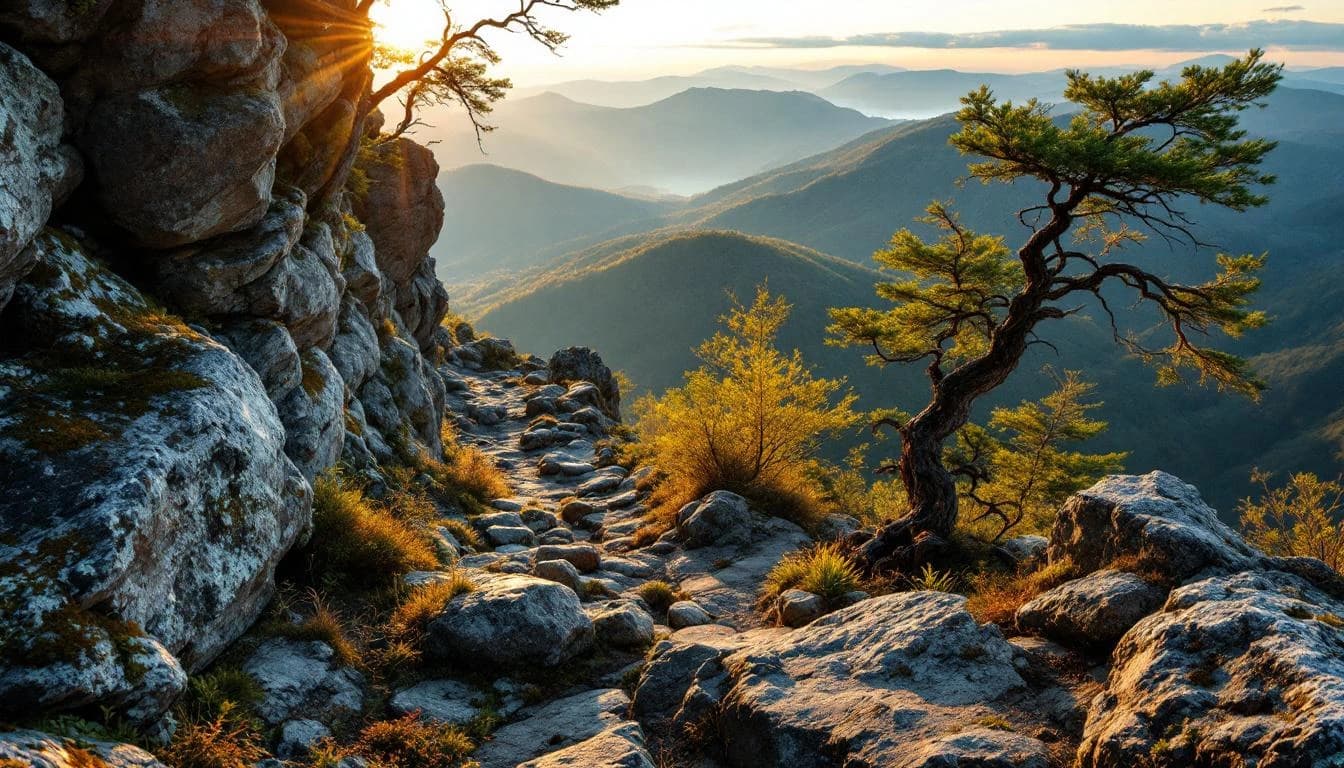
The course traverses the Massanutten and Great Eastern mountains through a combination of established trail systems and remote backcountry sections. Technical rocky terrain defines much of the route, demanding constant attention to foot placement even as cumulative fatigue sets in. Runners navigate through varying forest ecosystems, from hardwood canopies to exposed ridge sections, with the route's difficulty compounded by Virginia's often humid conditions during the typical October race window.
Elevation Profile
Elevation profile estimated from terrain data. Actual course may differ.
Location
Practical Info
October conditions in Virginia's mountains range from mild days in the 50s-60s°F to near-freezing nights, with humidity often present and occasional rain turning rocky sections slick.
The race is based near Swoope, Virginia, with limited local lodging options. Runners typically stay in Harrisonburg (20 minutes away) or Staunton (25 minutes away), both offering hotel chains and dining. Camping may be available near the start/finish area.
Best For
Notable Features
Part of the UTMB World Series, the Grindstone 104 represents one of the premier qualifying opportunities for UTMB Mont-Blanc while standing as a worthy challenge in its own right. The race's October timing coincides with peak fall foliage in the Virginia mountains, though runners focused on the technicality underfoot may have limited opportunity to appreciate the scenery. The event's long-standing reputation within the ultra community means toe-ing the line here puts runners among experienced company who understand what this distance and terrain demand.